Articles
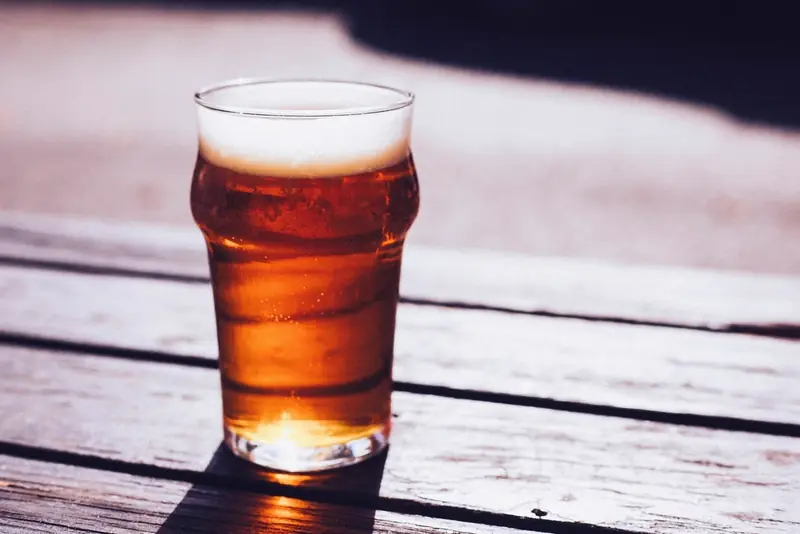
Illustrative photo: a pint of amber beer on a wooden table. Credits
 Free house or tied pub? What the words on the sign mean, from the 1989 Beer Orders to the Pubs CodeWhy some pubs call themselves a free house, what a tied pub is, how the 1989 Beer Orders broke up the big brewers' estates and brought in the guest beer, and what the 2016 Pubs Code changed for tenants in England and Wales.
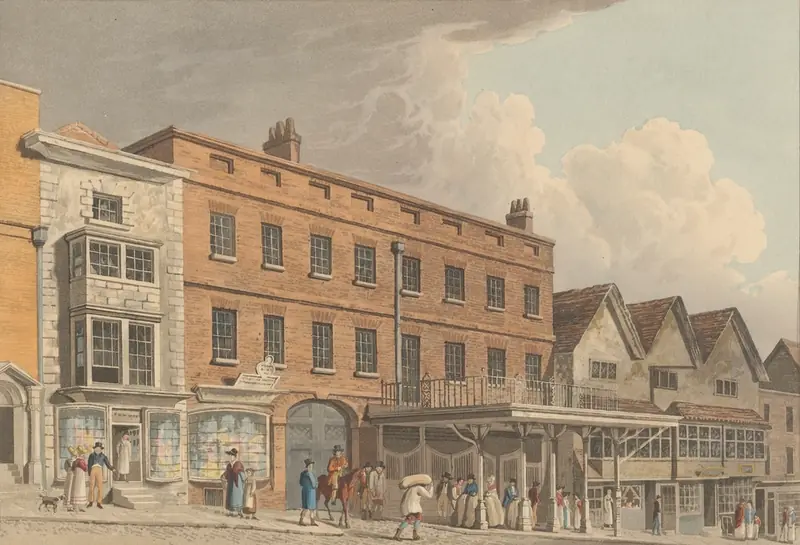 Last orders: a short history of pub opening hours, from the 1915 wartime rules to the 2003 Licensing ActWhy British pubs used to shut in the afternoon and call time at eleven: the First World War restrictions, the Licensing Act 1921, all-day opening from August 1988, and the 2003 Act that left hours to each premises licence.
 Dry Sundays: when Welsh pubs closed on the Sabbath, from 1881 to 1996The story of the Sunday Closing (Wales) Act 1881: why Welsh pubs shut on Sundays, the clubs and travellers who got round it, and the local polls from 1961 to 1996 that reopened them, Glamorgan first and Dwyfor last.
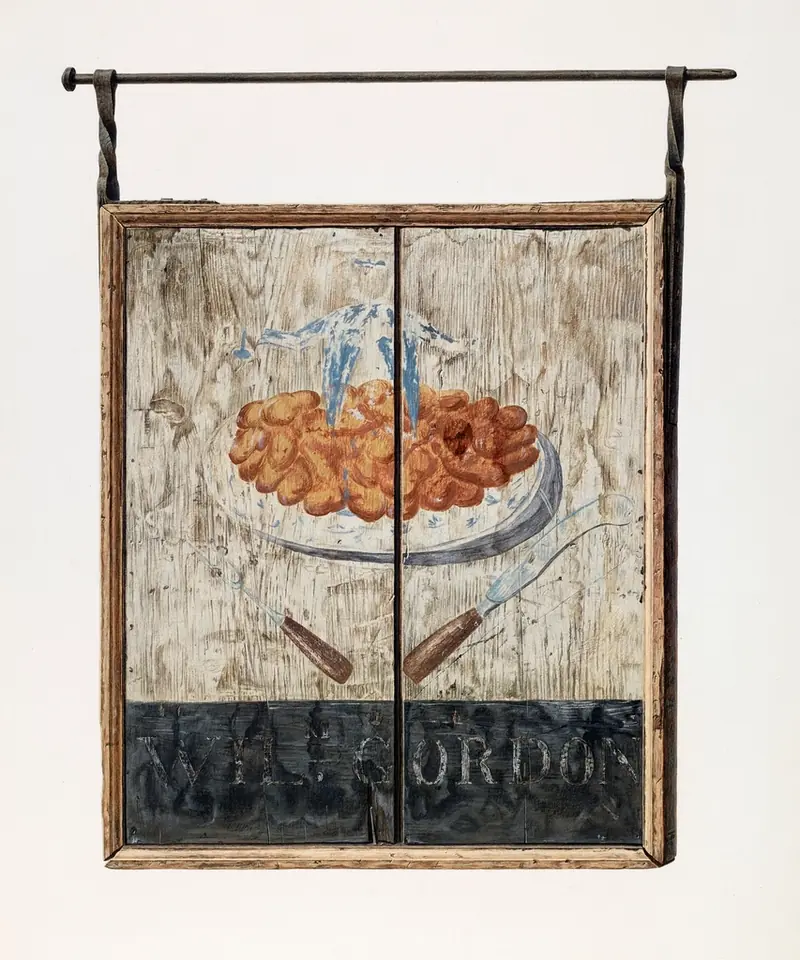 Why so many pubs are called the White Hart: a king's badge on the inn signWhere the White Hart pub name comes from: the personal badge of Richard II, the Wilton Diptych, the 1393 law that made alehouses hang out a sign, and how heraldry filled Britain's high streets with lions, boars and harts.
- Straight from the cask: how real ale gets from the pub cellar to your glassWhat happens to a cask of real ale between the brewery and the bar: secondary fermentation, finings, venting with spiles, settling, cellar temperature and the handpump.
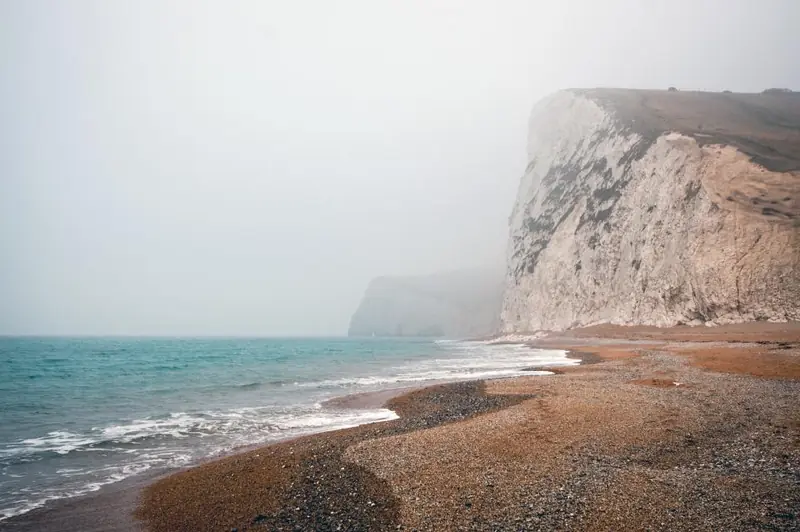 Llantwit Major in a day: St Illtud's Church, the old square and the Heritage CoastA walking day in Llantwit Major: the Grade I listed church of St Illtud, the 15th-century Town Hall and the cliffs and fossils of Col-huw on the Glamorgan Heritage Coast.
- What the Cask Marque plaque on a pub door actually meansCask Marque is the independent scheme that checks cask ale quality in pubs: unannounced visits, four tests on every beer and a cellar audit. Here is how it works.